





User behavior is a complex tapestry woven from the myriad interactions individuals have with digital platforms. It encompasses everything from the pages users visit, the time they spend on each page, to the actions they take, such as clicks, purchases, or sign-ups. Understanding this behavior is crucial for businesses aiming to create engaging and effective online experiences.
By analyzing user behavior, companies can gain insights into what drives their audience, what content resonates with them, and where potential friction points may exist in their user journey. For instance, consider an e-commerce website that tracks user behavior through heatmaps and session recordings. By observing where users click most frequently and how they navigate through the site, the business can identify which products attract attention and which pages lead to drop-offs.
This data can reveal that users are spending a significant amount of time on a particular product page but are not completing the purchase. Such insights prompt further investigation into potential barriers, such as unclear pricing or complicated checkout processes, ultimately leading to informed adjustments that enhance user satisfaction and drive sales.
Key Takeaways
- Understanding user behavior is crucial for effective decision-making and strategy development.
- Analytics provide valuable insights that help identify patterns, trends, and user preferences.
- Data-driven approaches enable personalized interactions and targeted marketing efforts.
- Predictive analysis and segmentation improve conversion rates and overall user experience.
- Measuring success through analytics ensures optimized ROI and continuous strategy enhancement.
The Importance of Analytics
Analytics serves as the backbone of understanding user behavior and making data-driven decisions. It provides a structured approach to collecting, measuring, and interpreting data related to user interactions. Without analytics, businesses operate in a vacuum, relying on intuition rather than empirical evidence.
The importance of analytics cannot be overstated; it transforms raw data into actionable insights that inform strategy and optimize performance. For example, Google Analytics is a powerful tool that allows businesses to track website traffic, user demographics, and behavior patterns. By leveraging this data, companies can identify which marketing channels are most effective in driving traffic and conversions.
A retail brand might discover that social media campaigns yield higher engagement rates compared to email marketing. This insight enables them to allocate resources more effectively, focusing on channels that deliver the best return on investment while refining or rethinking less effective strategies.
Utilizing Data to Drive Decisions
Data-driven decision-making is a paradigm shift that empowers organizations to base their strategies on factual evidence rather than assumptions. By utilizing data effectively, businesses can make informed choices that align with user preferences and market trends. This approach minimizes risks associated with launching new products or marketing campaigns by providing a clearer picture of potential outcomes.
Consider a software company that uses customer feedback data alongside usage statistics to inform its product development roadmap. By analyzing which features are most frequently used and which receive the most complaints, the company can prioritize enhancements that directly address user needs. This not only improves the product but also fosters customer loyalty as users feel their feedback is valued and acted upon.
In this way, data becomes a guiding force in shaping business strategies that resonate with the target audience.
Identifying Patterns and Trends
| Metric | Description | Example Value | Importance |
|---|---|---|---|
| Frequency | Number of times a pattern occurs within a dataset | 150 occurrences | High – Indicates common trends |
| Trend Duration | Length of time a pattern persists | 3 months | Medium – Helps in forecasting |
| Growth Rate | Rate at which a pattern increases over time | 12% per month | High – Shows momentum of trends |
| Seasonality | Recurring patterns based on time periods | Quarterly spikes | Medium – Useful for planning |
| Correlation Coefficient | Degree of relationship between variables | 0.85 | High – Identifies linked patterns |
| Anomaly Rate | Frequency of deviations from established patterns | 2% | Low – Highlights outliers |
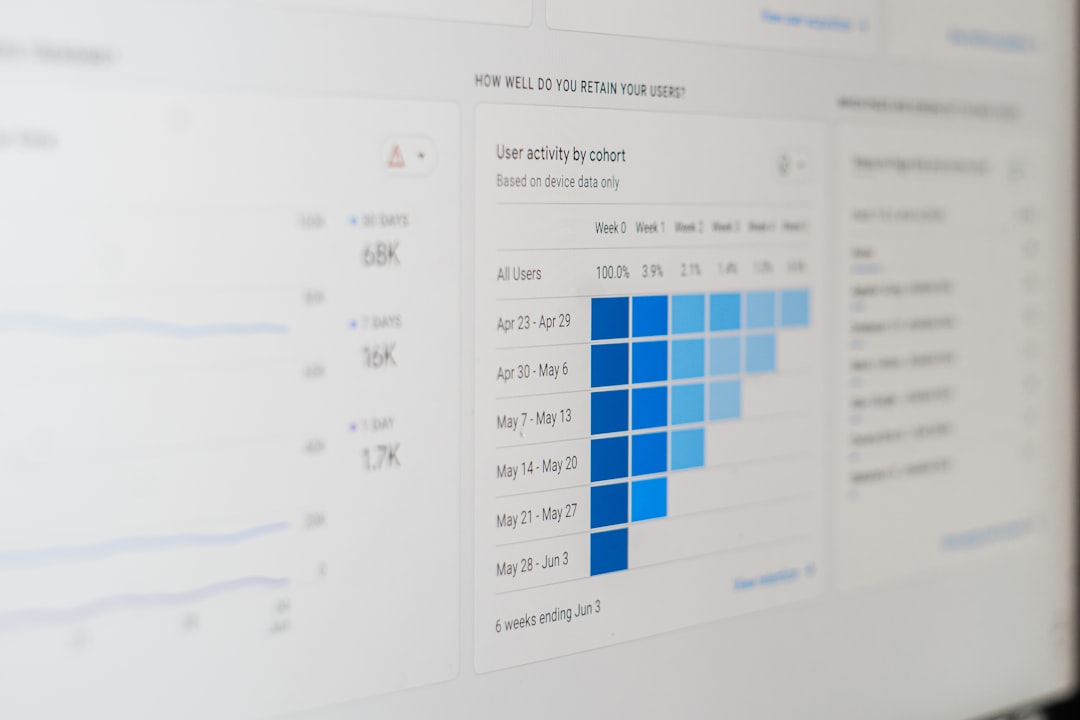
Identifying patterns and trends within user data is essential for anticipating future behaviors and preferences. Businesses can uncover these insights through various analytical techniques, such as cohort analysis or predictive modeling. Recognizing patterns allows organizations to adapt their offerings proactively rather than reactively, positioning themselves ahead of competitors.
For instance, an online streaming service might analyze viewing habits over time to identify seasonal trends in content consumption. By recognizing that certain genres see spikes in viewership during specific months—such as horror films around Halloween—the service can tailor its marketing efforts and content releases accordingly. This strategic alignment not only maximizes viewer engagement but also enhances customer satisfaction by delivering relevant content at the right time.
Improving User Experience
Improving user experience (UX) is a critical objective for any digital platform aiming to retain users and foster loyalty. A seamless UX is characterized by intuitive navigation, fast load times, and engaging content—all of which can be optimized through careful analysis of user behavior data. By understanding how users interact with a site or application, businesses can identify pain points and areas for enhancement.
For example, an online retailer may discover through user testing that customers struggle to find specific products due to poor site navigation. By implementing a more intuitive menu structure and enhancing search functionality based on user feedback, the retailer can significantly improve the shopping experience. This not only reduces frustration but also increases the likelihood of conversion as users can easily locate what they need without unnecessary hurdles.
Personalizing User Interactions
Personalization has become a cornerstone of effective digital marketing strategies. By tailoring interactions based on individual user preferences and behaviors, businesses can create more meaningful connections with their audience. Personalization can take many forms, from customized product recommendations to targeted email campaigns that reflect users’ past interactions.
A prime example of successful personalization is seen in streaming platforms like Netflix, which utilizes sophisticated algorithms to recommend shows and movies based on users’ viewing history. By analyzing what users watch and how they rate content, Netflix can suggest titles that align with their tastes, enhancing user engagement and satisfaction. This level of personalization not only keeps users coming back but also increases the likelihood of subscriptions as viewers feel understood and catered to.
Targeting Specific User Segments
Targeting specific user segments allows businesses to tailor their marketing efforts more effectively. By segmenting users based on demographics, behaviors, or preferences, companies can create highly relevant campaigns that resonate with distinct groups within their audience. This targeted approach maximizes engagement and conversion rates by ensuring that messaging aligns with the specific needs and interests of each segment.
For instance, an online fitness platform might segment its users into categories such as beginners, intermediate athletes, and advanced fitness enthusiasts. By analyzing the unique goals and challenges faced by each group, the platform can develop tailored workout plans and marketing messages that speak directly to those needs. This segmentation not only enhances user experience but also fosters a sense of community among users who share similar fitness journeys.
Predicting User Actions
Predictive analytics leverages historical data to forecast future user actions, enabling businesses to anticipate needs and behaviors before they occur. By employing machine learning algorithms and statistical models, organizations can gain insights into how users are likely to interact with their products or services based on past behavior. For example, an online travel agency might use predictive analytics to identify users who are likely to book flights based on their browsing history and search patterns.
By recognizing these signals early on, the agency can implement targeted marketing strategies—such as personalized email offers or retargeting ads—to encourage bookings before potential customers lose interest or shift their focus elsewhere. This proactive approach not only increases conversion rates but also enhances customer satisfaction by providing timely offers that align with users’ travel aspirations.
Optimizing Conversion Rates
Optimizing conversion rates is a primary goal for any business operating online. Conversion rate optimization (CRO) involves analyzing user behavior data to identify barriers preventing users from completing desired actions—be it making a purchase, signing up for a newsletter, or downloading an app. By systematically testing different elements of a website or application, businesses can make informed adjustments that lead to higher conversion rates.
A/B testing is a common method used in CRO efforts. For instance, an e-commerce site might test two different versions of its checkout page—one with a simplified form and another with additional fields for upselling opportunities. By analyzing which version leads to higher completion rates, the business can implement the more effective design across its platform.
Enhancing Marketing Strategies
Data-driven insights play a pivotal role in enhancing marketing strategies across various channels. By analyzing user behavior and preferences, businesses can craft campaigns that resonate more deeply with their target audience. This approach not only improves engagement but also ensures that marketing budgets are allocated efficiently toward initiatives that yield the highest returns.
For example, a fashion retailer might analyze customer purchase data to identify trends in seasonal buying patterns. By understanding when customers are most likely to shop for specific items—such as summer dresses or winter coats—the retailer can time its marketing campaigns accordingly. Additionally, leveraging social media analytics allows the brand to tailor its messaging based on what resonates most with its audience on those platforms, further enhancing campaign effectiveness.
Measuring Success and ROI
Measuring success and return on investment (ROI) is essential for evaluating the effectiveness of any strategy implemented based on user behavior analysis. Businesses must establish clear metrics and key performance indicators (KPIs) that align with their objectives to assess whether their efforts are yielding desired results. For instance, an online subscription service may track metrics such as customer acquisition cost (CAC), lifetime value (LTV), and churn rate to gauge the success of its marketing initiatives.
By comparing these metrics before and after implementing data-driven strategies—such as personalized marketing campaigns or improved user experience—businesses can determine whether their investments are paying off. This ongoing evaluation not only informs future strategies but also reinforces a culture of accountability within organizations as they strive for continuous improvement based on measurable outcomes.
FAQs
What is User Behavior Analytics (UBA)?
User Behavior Analytics (UBA) is a cybersecurity process that involves monitoring and analyzing the behavior of users within a network or system to detect unusual or suspicious activities that may indicate security threats.
How does User Behavior Analytics work?
UBA works by collecting data on user activities, such as login times, accessed resources, and transaction patterns. It then uses machine learning and statistical analysis to establish a baseline of normal behavior and identify deviations that could signal potential security risks.
What are the main benefits of using User Behavior Analytics?
The main benefits include early detection of insider threats, compromised accounts, and advanced persistent threats (APTs). UBA helps organizations improve security posture by providing actionable insights and reducing false positives in threat detection.
What types of threats can User Behavior Analytics detect?
UBA can detect insider threats, account takeovers, data exfiltration attempts, privilege misuse, and other anomalous activities that traditional security tools might miss.
Is User Behavior Analytics only used in cybersecurity?
While primarily used in cybersecurity, UBA can also be applied in other fields such as marketing and user experience research to understand customer behavior and improve services.
What data sources are used in User Behavior Analytics?
UBA typically uses data from logs, network traffic, authentication records, application usage, and endpoint activity to analyze user behavior comprehensively.
How does User Behavior Analytics differ from traditional security monitoring?
Traditional security monitoring often relies on predefined rules and signatures, whereas UBA uses behavioral baselines and machine learning to detect anomalies, enabling it to identify unknown or emerging threats.
Are there privacy concerns associated with User Behavior Analytics?
Yes, UBA involves monitoring user activities, which can raise privacy issues. Organizations must ensure compliance with data protection regulations and implement transparent policies to protect user privacy.
Can User Behavior Analytics be integrated with other security tools?
Yes, UBA can be integrated with Security Information and Event Management (SIEM) systems, Identity and Access Management (IAM) solutions, and other cybersecurity tools to enhance overall threat detection and response capabilities.
What industries benefit most from User Behavior Analytics?
Industries with high security requirements such as finance, healthcare, government, and retail benefit significantly from UBA due to the sensitive nature of their data and the need to prevent insider threats and cyberattacks.



0 Comments