




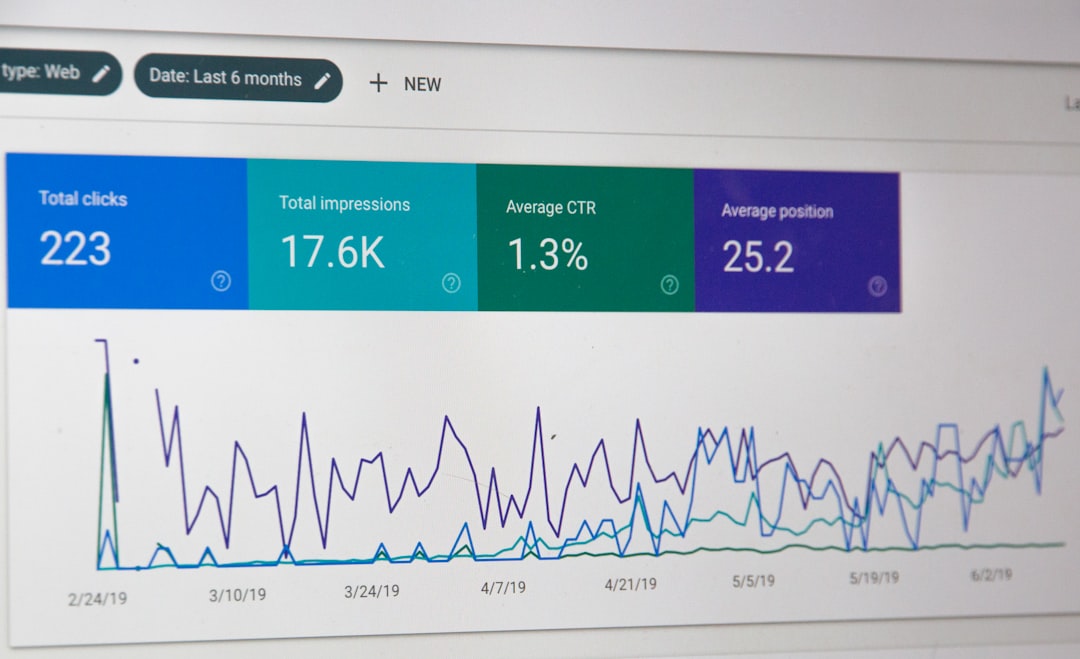
Website visitor analytics serve as a critical compass for businesses navigating the digital landscape. By collecting and interpreting data about how users interact with a website, organizations can gain invaluable insights into visitor behavior, preferences, and engagement levels. This information is not merely academic; it directly influences decision-making processes, marketing strategies, and overall business objectives.
For instance, understanding which pages attract the most traffic can help businesses optimize their content and design to enhance user experience and drive conversions. Moreover, analytics provide a quantitative basis for assessing the effectiveness of marketing campaigns. By tracking metrics such as bounce rates, session durations, and conversion rates, businesses can identify which strategies yield the best results and which require refinement.
This data-driven approach allows companies to allocate resources more effectively, ensuring that marketing efforts are focused on channels that deliver the highest return on investment. In an era where digital presence is paramount, leveraging website visitor analytics is not just beneficial; it is essential for sustained growth and competitiveness.
Key Takeaways
- Website visitor analytics are crucial for understanding user behavior and improving site performance.
- Selecting appropriate analytics tools and setting clear KPIs help track meaningful data effectively.
- Analyzing visitor behavior and conversion tracking enables better targeting and increased website success.
- Insights from analytics support user experience improvements and guide A/B testing for optimization.
- Integrating analytics with marketing, content, and SEO strategies drives continuous website growth and improvement.
Choosing the Right Analytics Tools for Your Website
Selecting the appropriate analytics tools is a foundational step in harnessing the power of website visitor analytics. The market offers a plethora of options, ranging from comprehensive platforms like Google Analytics to specialized tools such as Hotjar or Crazy Egg, each catering to different analytical needs. Google Analytics, for instance, provides a robust suite of features that allow users to track user behavior, traffic sources, and conversion metrics.
Its integration capabilities with other Google services further enhance its utility for businesses looking to create a cohesive digital strategy. On the other hand, tools like Hotjar focus on qualitative data through heatmaps and session recordings, offering insights into how users navigate a site visually. This can be particularly useful for identifying areas where users may struggle or lose interest.
When choosing analytics tools, businesses should consider their specific goals, the complexity of their website, and the level of detail required in reporting. A well-rounded approach often involves using multiple tools in tandem to capture both quantitative and qualitative data, providing a holistic view of user interactions.
Setting Key Performance Indicators (KPIs) for Website Visitor Analytics

Establishing Key Performance Indicators (KPIs) is crucial for measuring the success of website visitor analytics initiatives. KPIs serve as benchmarks that help organizations assess their performance against defined objectives. Common KPIs include metrics such as traffic volume, conversion rates, average session duration, and bounce rates.
For example, if a business aims to increase its online sales, tracking conversion rates from specific landing pages can provide insights into which elements are effective in driving purchases. Additionally, it is essential to align KPIs with broader business goals. For instance, if a company seeks to enhance brand awareness, metrics like unique visitors and social media shares may take precedence over direct sales figures.
By setting clear and relevant KPIs, organizations can focus their analytical efforts on areas that matter most to their strategic objectives. Regularly reviewing these indicators allows businesses to adapt their strategies in real-time, ensuring they remain agile in a rapidly changing digital environment.
Analyzing Visitor Behavior on Your Website
| Metric | Description | Typical Range | Importance |
|---|---|---|---|
| Page Views | Number of pages viewed by visitors | 1000 – 100,000+ | High – Indicates overall site engagement |
| Unique Visitors | Count of distinct individuals visiting the site | 500 – 50,000+ | High – Measures reach and audience size |
| Average Session Duration | Average time a visitor spends on the site | 1 – 5 minutes | Medium – Reflects content engagement |
| Bounce Rate | Percentage of visitors who leave after viewing one page | 20% – 70% | High – Indicates content relevance and usability |
| Pages per Session | Average number of pages viewed per visit | 2 – 6 pages | Medium – Shows depth of visitor interaction |
| New vs Returning Visitors | Ratio of first-time visitors to repeat visitors | 50% new / 50% returning typical | Medium – Helps understand loyalty and growth |
| Exit Rate | Percentage of visitors leaving from a specific page | 10% – 60% | Medium – Identifies pages causing drop-offs |
| Conversion Rate | Percentage of visitors completing a desired action | 1% – 10% | High – Measures effectiveness of site goals |
Delving into visitor behavior analysis reveals patterns that can significantly influence website performance. By examining how users navigate through a site—what pages they visit first, how long they stay on each page, and where they drop off—businesses can identify both strengths and weaknesses in their user experience. For instance, if analytics show that a high percentage of visitors leave after viewing a particular page, it may indicate that the content is not engaging or that the navigation is confusing.
Furthermore, segmenting visitor data based on demographics or behavior can provide deeper insights into specific audience groups. For example, analyzing the behavior of returning visitors versus new visitors can highlight differences in engagement levels and preferences. This segmentation allows businesses to tailor their content and marketing strategies more effectively.
By understanding the nuances of visitor behavior, organizations can make informed decisions about website design, content creation, and overall user experience enhancements.
Utilizing Conversion Tracking to Measure Website Success
Conversion tracking is a pivotal aspect of measuring website success as it directly correlates user actions with business objectives. By setting up conversion goals within analytics tools, businesses can monitor specific actions that indicate success—such as completing a purchase, signing up for a newsletter, or filling out a contact form. This tracking not only provides insight into how well a website converts visitors into customers but also highlights areas for improvement.
For instance, if conversion tracking reveals that a significant number of users abandon their shopping carts before completing a purchase, it may prompt an investigation into potential barriers in the checkout process. This could lead to optimizations such as simplifying forms or offering guest checkout options. Additionally, conversion tracking can be tied to specific marketing campaigns, allowing businesses to evaluate which channels drive the most valuable traffic.
By continuously monitoring and refining conversion strategies based on data insights, organizations can enhance their overall effectiveness in achieving business goals.
Identifying and Targeting Your Ideal Website Visitors

Understanding who your ideal website visitors are is fundamental to crafting effective marketing strategies. By analyzing demographic data such as age, gender, location, and interests gleaned from analytics tools, businesses can create detailed buyer personas that represent their target audience. This information enables companies to tailor their messaging and content to resonate with specific segments of their audience.
Moreover, identifying ideal visitors goes beyond demographics; it also involves understanding behavioral patterns. For example, analyzing which pages are most frequently visited by high-converting users can inform content creation strategies that attract similar visitors. Additionally, utilizing tools like Google Ads or Facebook Ads allows businesses to target specific demographics based on their online behavior and interests.
By honing in on ideal visitors through targeted campaigns and personalized content, organizations can improve engagement rates and drive higher conversions.
Improving User Experience Through Analytics Insights
User experience (UX) is paramount in retaining visitors and encouraging conversions on a website. Analytics insights play a crucial role in identifying pain points within the user journey that may hinder engagement or lead to frustration. For instance, if data indicates that users frequently exit after visiting a particular page or section of the site, it may signal issues with content relevance or navigation clarity.
To enhance UX based on these insights, businesses can implement changes such as optimizing page load times or simplifying navigation structures. A/B testing different layouts or content formats can also provide valuable feedback on what resonates best with users. Furthermore, gathering qualitative feedback through surveys or user testing sessions can complement quantitative data from analytics tools.
By prioritizing user experience improvements informed by analytics insights, organizations can foster greater satisfaction among visitors and ultimately drive higher conversion rates.
Leveraging A/B Testing for Website Optimization
A/B testing is an invaluable method for optimizing website performance by comparing two versions of a webpage to determine which one yields better results. This technique allows businesses to experiment with various elements—such as headlines, images, call-to-action buttons, or overall layout—to see how changes impact user behavior and conversion rates. For example, an e-commerce site might test two different product page designs to see which one leads to more purchases.
The process involves splitting traffic between the two versions while tracking key metrics such as click-through rates and conversions.
A/B testing not only helps refine individual elements but also fosters a culture of continuous improvement within an organization’s digital strategy.
By regularly conducting tests and implementing findings based on data-driven insights, businesses can stay ahead of trends and adapt to changing user preferences effectively.
Integrating Analytics with Marketing Strategies
Integrating analytics with marketing strategies is essential for creating cohesive campaigns that resonate with target audiences. By leveraging data from website visitor analytics alongside marketing performance metrics—such as email open rates or social media engagement—businesses can develop more informed strategies that align with user behavior patterns. For instance, if analytics reveal that certain blog posts drive significant traffic but have low conversion rates, marketers can adjust their calls-to-action or promotional tactics accordingly.
Moreover, integrating analytics allows for real-time adjustments to marketing campaigns based on performance data. If a particular ad campaign is underperforming in terms of click-through rates or conversions, marketers can pivot quickly by reallocating budgets or modifying messaging to better align with audience interests. This agility ensures that marketing efforts remain relevant and effective in achieving desired outcomes.
Using Analytics to Enhance Content and SEO
Content creation and search engine optimization (SEO) are intrinsically linked to website visitor analytics. By analyzing which types of content attract the most traffic and engagement—such as blog posts, videos, or infographics—businesses can tailor their content strategies to meet audience preferences more effectively. For example, if analytics show that long-form articles generate higher engagement than shorter posts, organizations may choose to focus on producing more comprehensive content.
Additionally, keyword analysis derived from visitor search queries can inform SEO strategies by highlighting terms that potential customers are using to find relevant information online. By optimizing content around these keywords and ensuring it aligns with user intent, businesses can improve their search engine rankings and drive organic traffic to their websites. Regularly reviewing analytics data allows organizations to stay ahead of trends in content consumption and adjust their strategies accordingly.
Measuring and Reporting on Website Visitor Analytics for Continuous Improvement
Measuring and reporting on website visitor analytics is vital for fostering a culture of continuous improvement within an organization. Regularly reviewing performance metrics enables teams to identify trends over time and assess the impact of implemented changes or marketing initiatives. Creating comprehensive reports that highlight key findings—such as traffic sources, user demographics, conversion rates—provides stakeholders with actionable insights that inform strategic decisions.
Furthermore, establishing a routine for reporting ensures that data-driven insights are consistently integrated into business operations. This could involve monthly or quarterly reviews where teams analyze performance against established KPIs and discuss potential areas for improvement. By fostering an environment where analytics are valued and utilized in decision-making processes, organizations can cultivate a proactive approach to optimizing their digital presence and enhancing overall business performance over time.
FAQs
What is website visitor analytics?
Website visitor analytics refers to the process of collecting, measuring, and analyzing data about the visitors to a website. This data helps website owners understand user behavior, traffic sources, and overall site performance.
Why is website visitor analytics important?
Website visitor analytics is important because it provides insights into how users interact with a website. This information can be used to improve user experience, optimize marketing strategies, increase conversions, and make informed business decisions.
What kind of data is collected in website visitor analytics?
Common data collected includes the number of visitors, page views, session duration, bounce rate, geographic location, device type, traffic sources, and user behavior such as clicks and navigation paths.
How is website visitor data collected?
Data is typically collected using tracking codes or cookies embedded in the website’s code. These tools gather information about visitors’ interactions and send it to analytics platforms for processing and reporting.
What are some popular website visitor analytics tools?
Popular tools include Google Analytics, Adobe Analytics, Matomo, Clicky, and Hotjar. Each offers different features for tracking and analyzing visitor data.
Can website visitor analytics track individual users?
Most analytics tools track aggregated data and anonymize individual user information to protect privacy. However, some tools can track user sessions or behaviors without personally identifying the user.
Is website visitor analytics compliant with privacy laws?
Compliance depends on how data is collected and used. Website owners must adhere to privacy regulations such as GDPR and CCPA by informing users about data collection, obtaining consent, and providing options to opt-out.
How often should website visitor analytics be reviewed?
Review frequency depends on business needs but generally, analytics should be monitored regularly—daily or weekly—to identify trends, issues, and opportunities for improvement.
Can website visitor analytics improve website performance?
Yes, by analyzing visitor data, website owners can identify slow-loading pages, high bounce rates, and navigation issues, allowing them to optimize site speed, design, and content for better performance.
Are website visitor analytics useful for marketing?
Absolutely. Analytics help marketers understand which campaigns drive traffic, which keywords perform best, and how visitors convert, enabling more effective targeting and budget allocation.



0 Comments